"Save for Later" Has No Later
Join "Interface Studies" to help make more videos. Your support keeps new content coming. https://www.youtube.com/channel/UCqv7gk4p_rB4nRz0j7B5yFA/join
Almost every app today has a bookmark button. Almost none of them has a later.
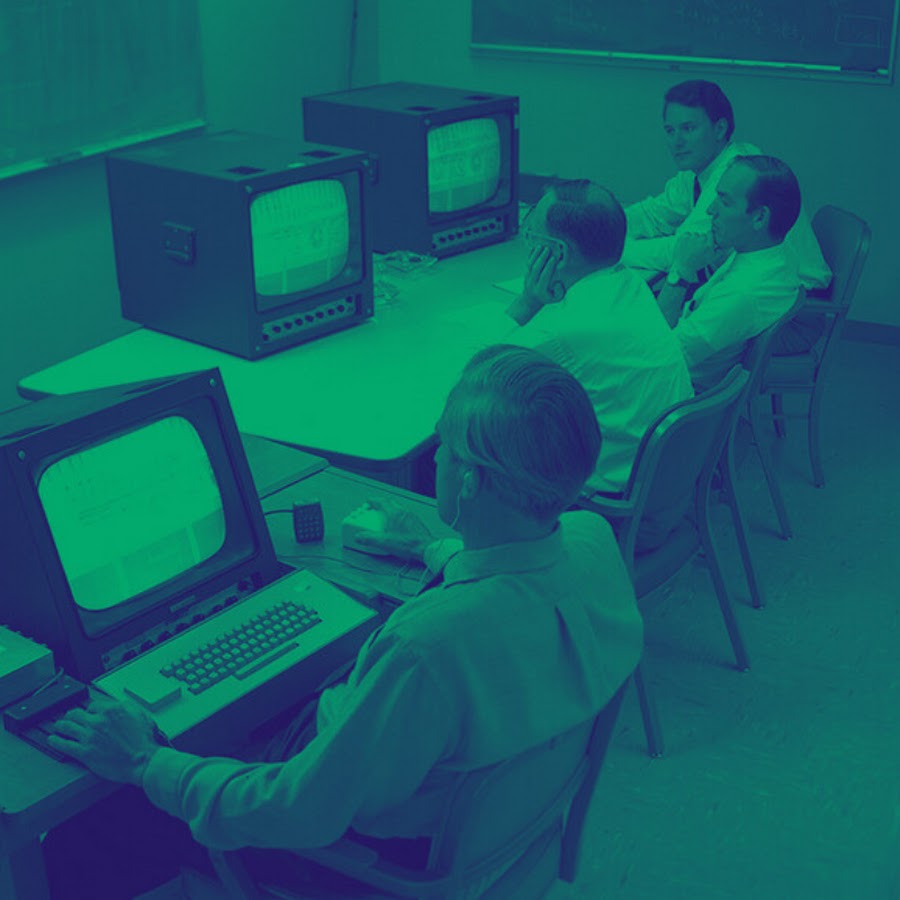
This video follows the save-for-later pattern from a 1983 study of office desks, through the browser's bookmarks bar and the hidden menu that outlived it, to the Watch Later lists we never open.
Subscribe on Substack: https://interfacestudies.substack.com/
Happy to jump on a call if it'd be useful: design strategy, experience design, critique, feedback. https://intro.co/salehkayyali
Elsewhere:
X: https://x.com/mskayyali
BlueSky: https://bsky.app/profile/mskayyali.com
CHAPTERS
[0:00] The ribbon and the promise
[1:32] The desk: finding and reminding
[2:20] The browser had both answers
[4:32] The failure, measured
[5:19] Cause one: nothing arrives
[6:39] Cause two: the save already paid you
[7:50] Cause three: the wanting decays
[11:00] Why nothing gets fixed
[12:27] Designing for later
[16:05] A note on AI
[16:46] The second job
FURTHER READING:
- How do people organize their desks? (1983): https://ia601504.us.archive.org/26/items/perm1_20220428_0403/Howdesks.pdf
- Information Archiving with Bookmarks (1998): https://www.dgp.toronto.edu/public_user/RMB/papers/p23.pdf
- Out of sight and out of mind: Bookmarks are created but not used (2021): https://journals.sagepub.com/doi/10.1177/0961000620949652
- Highbrow Films Gather Dust (2009):https://www.hbs.edu/ris/Publication%20Files/07-099_00df6c8e-2b29-43ff-8c7a-55bfe3906726.pdf
- Doing It Now or Later (1999): https://econweb.ucsd.edu/~jandreon/Econ264/papers/O'Donoghue%20Rabin%20AER%201999.pdf
- Saving-Enhanced Memory (2015):https://journals.sagepub.com/doi/10.1177/0956797614559285
- When Online Content Disappears (Pew Research, 2024): https://www.pewresearch.org/data-labs/2024/05/17/when-online-content-disappears/
- An Article Has A Lifespan Of 37 Days (Fast Company, 2013): https://www.fastcompany.com/3020946/an-article-has-a-lifespan-of-37-days-and-other-findings-from-pocket
- My save to read it later habits (Medium, 2013; the Pocket figures): https://medium.com/@davidcafor/my-save-to-read-it-later-habits-dddaee4175f0
- New Gmail now generally available (Google, 2018; snooze): https://workspaceupdates.googleblog.com/2018/07/new-gmail-ga.html
- Save it for Later (Slack help docs): https://slack.com/help/articles/13453851074067-Save-it-for-Later
- New Feature: Reminders (Raindrop blog): https://blog.raindrop.io/new-feature-reminders-a2d260408b74/ — help doc: https://help.raindrop.io/reminders
- Reviewing Your Highlights (Readwise docs): https://docs.readwise.io/readwise/docs/faqs/reviewing-highlights
- mymind: https://mymind.com/ — Serendipity: https://mymind.helpscoutdocs.com/article/44-rediscovering-things-with-serendipity
## Transcript
0:00 welcome to Interface Studies my name is Saleh
0:05 most save for later
0:06 buttons are stylised drawings of a ribbon
0:09 look at the icons on X Instagram
0:13 Reddit there's a small pennant
0:15 with a notched tail
0:17 now the real ribbon
0:19 or the real bookmark lived inside the book
0:22 it held the exact page where you stopped
0:25 and it was there
0:26 at the moment of return
0:29 pick the book up
0:30 and it's the first thing your thumb finds
0:33 on the other hand that button in an interface kept the
0:37 shape and dropped the properties
0:40 tap it or click it
0:41 and the thing you're saving gets filed somewhere
0:44 out of sight waiting for a return
0:47 the button does nothing to arrange
0:50 I know this from my own watch
0:52 later list on YouTube is just one example
0:55 I stopped scrolling to the bottom of that list
0:58 years ago
0:59 every video in it was saved with a sincere intent
1:03 but I rarely went back
1:06 the button is now on almost every service we use
1:09 and the same list sits behind it
1:12 whether the service is a social platform
1:14 or a paid bookmarking app
1:16 all of them work on this pattern
1:19 a button and a list somewhere
1:22 and it's always about this later part
1:25 this video is about it
1:27 we save constantly and return rarely
1:30 and I want to work out why
1:32 now to understand that let's start
1:34 with 1983 a paper that I mentioned in a previous video
1:38 stuck with me Thomas Malone
1:41 interviewed office workers
1:42 about the state of their desks
1:44 and the study how do people
1:46 organize their desks found that a desk does two jobs
1:51 one is finding
1:53 you file a document so you can locate it again
1:57 the other is reminding a pile of paper sits on the desk
2:01 and its sheer presence
2:03 tells you it still needs dealing with
2:06 Malone warned that electronic systems
2:09 built to support finding while neglecting reminding
2:13 would undermine their own usefulness
2:16 he wrote that before the web existed
2:20 the web's first feature took the warning half-seriously
2:24 Netscape shipped a bookmarks menu in 1994
2:28 a hidden list it's Malone's filing cabinet
2:32 but within a few years
2:34 the browser grew the other half too
2:36 Netscape 4 added the personal toolbar in 1997
2:41 Internet Explorer added its links bar
2:44 around the same time suddenly
2:46 the same window held both of Malone's surfaces at once
2:50 the bar is the pile on the desk
2:53 a handful of links permanently visible
2:56 their presence doing the nagging
2:59 the menu is the cabinet unbounded and out of sight
3:04 but that bar that we see in browsers has a cost
3:08 there's a very limited number of bookmarks
3:10 that can be displayed all the time
3:12 in our web browser's interface
3:14 and the case is harder on mobile
3:17 presence is rationed by pixels and saving compounds
3:22 a 1998 study of over 300 bookmark users
3:26 information archiving with bookmarks
3:28 found collections growing steadily
3:31 while the organizing never kept up
3:34 so the bar overflows
3:36 and what was done to handle this problem
3:38 was relatively simple
3:40 a small Chevron at the end of the bar
3:43 that opens a hidden list you can access the full list
3:46 of course but that is hidden behind the browser's menus
3:51 the overflow control
3:52 for the visible pile is the invisible pile again
3:56 presence does not scale
3:59 when the platforms arrived
4:01 and needed a save pattern to copy
4:04 both designs were sitting there in the browser
4:07 and they took the menu Watch Later saved posts
4:11 favorites bookmarks
4:13 every one of them is the unbounded hidden list
4:16 and it was even shipped without the bar
4:18 that we see in browsers it was out of sight
4:22 and out of sight was never an accident
4:24 of the save button it was one of two available designs
4:28 and it is the one everybody chose
4:32 that hidden list to access things that we saved
4:35 fails in a measurable way
4:38 in 2021
4:39 Ofer Bergman and his colleagues published a study
4:42 whose title does half of the work for me
4:44 out of sight and out of mind
4:47 bookmarks are created but not used
4:50 they asked 50 people to retrieve pages
4:53 they'd personally bookmarked
4:55 and watched how they did it
4:57 people get back to pages by other routes
5:00 and the bookmarks themselves just sit there
5:03 now we don't know much about the numbers
5:05 because nobody publishes them
5:07 we have some signals
5:08 from specialized apps that we will go through later
5:11 but the question is what exactly stops the return
5:15 the evidence seems to point at three things
5:19 the first cause is forgetting
5:21 and it is the solved one
5:23 a saved item has no presence
5:26 so nothing brings it back to mind
5:29 interestingly
5:30 paper offices solved this for most of a century
5:33 with the tickler file a drawer
5:36 of 43 folders one for each day of the month
5:39 and one for each month of the year
5:42 drop a document in the folder for the 9th
5:44 and on the morning of the 9th
5:46 it lands on your desk in software
5:50 email solved it
5:52 Gmail added
5:53 snooze in 2018 after it was introduced in a brief
5:56 experimental app called inbox
5:59 dismiss a message name a time
6:02 and at that time
6:03 it returns to your inbox as though newly arrived
6:08 Slack went further in March 2023
6:11 and merged saved items with reminders
6:14 into a feature named of all things later it is where
6:18 a save has states and can carry a return time
6:23 now when it comes to email
6:24 what makes it particularly useful
6:27 is that it has something most software lacks
6:30 an arrival surface
6:31 and a habit attached to it it is a place where things land
6:35 and where your attention already goes every day
6:39 the second cause is quieter
6:42 in 2015
6:43 Benjamin Storm and Sean Stone ran a set of experiments
6:47 exploring the saving enhanced memory effect
6:50 which is a cognitive phenomenon
6:51 where saving information digitally or physically
6:55 improves your ability to learn and remember
6:57 new information
6:59 in their paper
7:00 people studied a list of words in a computer file
7:04 some could save the file before studying a second list
7:08 and the people who saved
7:10 remembered the new material better
7:13 saving the first list let their minds release it
7:17 the effect vanished though
7:18 when the saving seemed unreliable
7:22 your mind only lets go of what it trusts the system
7:25 to hold
7:27 that's a lab result about word lists
7:30 so let's carry it as a mechanism
7:32 rather than a measurement
7:33 but the mechanism itself explains something real
7:37 part of the reason you never go back to your
7:39 saved items list is that
7:42 the save closed the loop at the moment of capture
7:46 that itch was scratched
7:47 the moment you pressed that button
7:50 the third cause is the one worth the deepest look
7:52 because no reminder can beat it
7:54 and most saves die of it
7:58 the cleanest evidence comes from a system
8:00 where forgetting was nearly impossible
8:03 DVDs by mail
8:05 now before streaming
8:07 this is how Netflix and services like it worked
8:10 you kept a
8:11 ranked wishlist of movies
8:12 the company posted you the disc at the top
8:15 and returning it summoned the next one
8:18 the system remembered for you and delivered for you
8:21 and the disc
8:22 then sat in your house until you dealt with it
8:26 it's Malone's reminding pile
8:27 but it's rebuilt by a DVD company
8:30 in 2009 Katherine Milkman and her colleagues
8:34 got hold of the rental records of
8:36 one of these services
8:38 and they measured how long people kept each disc
8:41 the films people simply wanted to watch
8:44 came and went quickly
8:46 the films they felt they must watch or ought to watch
8:50 like the documentaries and the serious dramas
8:53 sat for longer unwatched nobody had forgotten anything
8:57 the disc was right there what had faded was the wanting
9:03 it was somewhere between the day they queued the film
9:05 and the day it hit the doormat
9:08 the study is called Highbrow Films Gather Dust
9:13 economists have a name for this present bias
9:17 that disproportionate weight
9:19 we give to whatever is immediate
9:22 in doing it now or later
9:24 which is a 1999 paper by Ted O'donoghue
9:28 and Matthew Rabin formalized it
9:30 and it means that every save is a plan
9:33 made by your present self for a future one
9:36 who will probably not agree to it
9:39 and that decay in interest is Fast. Pocket
9:42 which was an app for saving for later
9:45 its internal data
9:46 put the active life of and even successful
9:49 long form article at about 37 days
9:52 with most saves cooling quicker
9:55 the read later founders knew this
9:58 when they were asked in 2013
10:00 about the fraction of pocket saves that got read
10:03 they offered 10 to 70% averaging about 50
10:07 another unexpected
10:09 thing that finished this argument for me
10:11 was the fact that saved objects decay as well
10:16 Pew Research measured what they call digital decay
10:19 in 2024 and they found that 38% of web
10:24 pages that existed in 2013 were gone
10:27 a decade later
10:29 a quarter of all pages from the decade had vanished
10:32 even pages from 2021 were dead within two years
10:36 at a rate of roughly one to five
10:39 the pile seems to rot from both ends
10:42 your interest has a half life measured in weeks
10:45 and the page itself
10:47 has meaningful odds of dying before you're back
10:50 every saved link is a race between two decays
10:54 and a reminder doesn't stop either
10:57 it can only arrive before they finish
11:00 all of this leaves the question of why
11:03 the solved cause stayed unsolved on every platform
11:08 as I said earlier
11:10 platforms don't publish their save-to-return figures
11:13 but there's something that we can see
11:15 in the deployment of these features
11:17 it seems that at the moment of capture
11:20 a save is one of the strongest signals you can send
11:24 it tells the recommendation system what you value
11:28 and it deepens your investment in the account
11:31 holding the list
11:33 that value is banked the instant you press
11:36 the return produces nothing
11:38 the platform wasn't already collecting
11:41 and in their interest
11:42 it's better to show newer content than an old one
11:45 an active reminder would cost something real as well
11:49 it's a slot in the feed or even a notification
11:53 and each is priced against the recommendation or worse
11:57 an ad
11:58 notifications themselves are a challenge
12:00 as we saw in the previous video
12:02 and you cannot just send notifications on everything
12:05 on the other hand we see some
12:07 thoughtfulness
12:07 in the way that Slack built its later feature
12:10 the feature that I spoke about earlier
12:12 because Slack sells completed work
12:15 a returning message getting handled
12:17 is the product doing its job
12:20 YouTube sells you watch time
12:22 and the feed already supplies it
12:24 without honoring old promises
12:27 now this does not mean that designing
12:30 for later is an impossible task
12:32 and if we suppose that we're building a save feature
12:35 and we want later to mean something
12:37 it seems that we have good examples
12:39 from paid bookmarking apps
12:41 especially the modern ones
12:43 they are scattered and everywhere
12:45 and no single tool holds them all
12:47 but at least they exist
12:49 so how can we do this
12:51 the first one is resurfacing early
12:53 because decay sets the clock
12:56 a reminder after a week
12:58 can still catch the motive that produced the save
13:01 but if it was four or five weeks later
13:03 it arrives addressed to someone else
13:05 Raindrop
13:06 which is a bookmark manager funded by subscriptions
13:09 sells exactly this as a paid feature
13:12 pick a bookmark and a time
13:14 and it comes back as an email or a notification
13:17 it would be interesting if this was automated
13:19 but at least within Reindrop you have the option
13:23 the second one is bounding the arrivals
13:26 because the bookmark bar already taught us that
13:28 presence doesn't scale
13:30 Readwise which is another subscription tool
13:33 sends a daily review of your saved highlights
13:37 a few items a day never the pile
13:40 the daily budget matters
13:41 more than the algorithm behind it
13:43 and the budget must carry no debt
13:46 an item ignored today should just reschedule
13:49 silently show people their saves as a liability
13:53 and you've built a guilt pile with a counter on it
13:56 Number three is letting items retire
13:59 because the save already paid
14:00 at the moment
14:01 we press. a save resurfaced twice without action
14:05 should archive itself
14:07 and the interface should frame that as completion
14:10 mymind a bookmarking tool with no free tier
14:14 ships this as Serendipity
14:16 which is a feature that lives inside the app
14:18 a short session of about 20 saves resurfaced at random
14:22 each met with one of two actions keep or forget
14:28 this session is bounded so it never becomes work
14:31 the selection is random so there's no debt
14:34 forgetting is a first class action here
14:38 the one thing serendipity
14:39 what doesn't do is arrive
14:41 you have to open it
14:43 it might make an occasional appearance
14:45 in their regular marketing communication
14:49 finally the hard one
14:51 finding an arrival surface
14:53 because the forgetting half itself
14:55 is only solved when something lands
14:58 for a standalone tool
15:00 it seems very difficult to find another surface
15:03 other than email
15:04 which is why the Readwise review and Raindrop reminder
15:07 both arrive there
15:09 that is not to say that email
15:10 doesn't come with its problems
15:12 because a lot of things compete
15:13 for our attention in email
15:15 but it is the most stable one we have
15:18 and even for some of the modern
15:19 standalone bookmarking services
15:21 they are now developing what can be only called a feed
15:24 and that takes us to the second point
15:26 for a platform like X, BlueSky, Instagram, TikTok
15:31 the only honest surface is the feed itself
15:35 there a resurfaced save
15:38 competes with everything the feed would rather show you
15:41 and from what we have seen so far
15:43 the algorithm only prefers new things
15:46 my hunch is that a resurfaced save
15:49 could pay for its slot
15:51 since the content that we resurface
15:53 there
15:53 is something that has been declared
15:55 as valuable to the user
15:57 the platform's behavior now says that they disagree
16:00 part of the answer as I said earlier
16:02 is probably because they only care about the signal
16:05 also note
16:06 that none of what I spoke about so far involves AI
16:09 because I think this is not an intelligence problem
16:12 what we see now
16:13 even in modern tools is using AI to summarize links
16:17 but a model that summarizes your saved link
16:20 answers a question and most saves were never a question
16:24 summarizing might spoil the article even
16:27 what the return needs is a surface to land on
16:30 and a reason to build that surface
16:33 no model supplies either
16:36 it would be interesting if certain machine
16:37 learning algorithms were used in the feed
16:40 to combine all the previous best practices
16:43 and deliver bookmark items regularly
16:46 at the end of all this
16:47 and by all the evidence that we went through
16:50 most of those saves that we do on all platforms
16:54 had served their purpose in the moment they were made
16:57 and the rest were racing decays
16:59 they were always going to lose
17:02 fixing the return stays
17:04 open
17:05 some of the ideas for it are old
17:07 it works on paper it works in email
17:10 when it comes to platforms
17:12 they come and go
17:13 what matters is a surface
17:15 that lets the bookmarking button
17:17 earn its place
17:18 the same way the physical bookmarking ribbon
17:21 earned its place in the book