
How to be a great conversationalist
Recently, I had what you would call an interview of sorts for an upcoming internship opportunity. At 20 years old, deep into the 2nd year of University, I can bashfully say that this was my first ever interview/ or real internship. Being kept in a protective bubble of sorts will do that to you. Being handed everything from a very young age will also do that to you. Nonetheless I’m not complaining, in fact I’m quite grateful for the opportunities that have been put my way, and quite regretful for never truly taking or experiencing them.
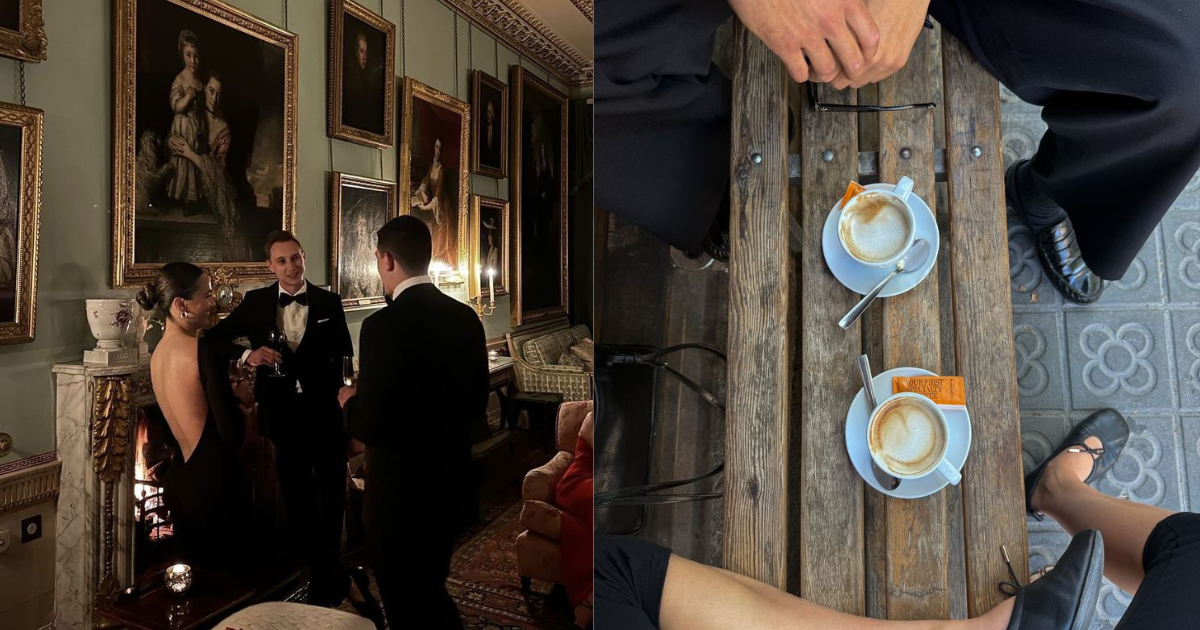
Until last Tuesday, at a cute bohemian cafe in the city that I’m in, a table for 2, and a mouthful of cotton.
To give you a bit of context, I would describe myself as an introvert, with a somewhat of a restricted show of emotions, nine times out of ten I end up spilling an awkward laugh from my mouth rather than useful sentences, I have an inherent tendency to ensure people’s expectations of me are low enough so they never get disappointed, and I thought I stopped being a people pleaser until I recalled myself stating facts about myself that one would state to a therapist. I wanted the interviewer to know that I’m self aware of my faults and that her impression and job of inevitably finding a flaw can get slightly easier because now she knows that I’m aware of my misdiscretions all too well.
I made sure she knew.
So I walked out of that cafe with a stomach full of nothing but regret and a blacked out memory of the interview. I remember viscerally hating every ounce of that conversation, particularly my side. And I know people ought to think that I’m being too hard on myself but who else will be? I’ve never been the kind of person to gentle parent myself through hard realisations because that’s not how I would grow, personally. Another way I knew I fucked up was when I was recalling some of the answers I gave and my friends and family visibly winced.
So there I was with my head in between my hands, knees tucked up to my chest, alone in my car and I thought of how behind in life I suddenly felt. From the moment I walked out, I’ve had this nagging voice inside my head to learn the art of a good conversation. To learn the art of confidence, and burn the nasty habit of lowering my capabilities down to avoid my fear of disappointment (side note- I was writing this sentence and I said out loud “what capabilities” please send help, someone needs to royally slap me.)

I’m sorry if you related to anything I’ve said above, but you could say I’ve done god’s work (tons of research) and perhaps maybe I can help you find the answer to being a magnetic, charismatic conversationalist that can leave a room feeling empowered rather than feeble. This will be a combination of some research, some interviews, and well the first half of this essay was boots on the ground journalism of things you SHOULD NOT be doing, so all in all you’re welcome.
Let’s begin the lesson.
Stop filling awkward silence :
From every article I have read, I’ve gathered one singular common piece of advice - and it’s to stop filling the need to speak more than intended. This isn’t to say that you should be quiet and mysterious and change your personality but more to say on the moments specific to when you panic. Taking my interview for example, there were instances of awkward silence that I refused to let sit in the air, and so I rambled, and then I rambled some more until I realised that the more I spoke the less was being retained.
When you speak more in these moments you are subconsciously devaluing your worth, which in a specific conversation, may lie in your words. I love the phenomenon of how we humans want what we can’t have, or if something is done enough times it loses its value. If you dream of going to Paris one day, the very first time you visit will be the only time you reach that level of gratitude and happiness. The second will be slightly less, the third even more, and by the time the 4th one arrives you tend to appreciate it a lot less. This widely known concept studied in economics is called the law of diminishing returns.
To bring it back to the example at hand, if you speak more frequently in important rooms where your worth lies in your words, people stop retaining it, they stop listening to you, they stop appreciating the words coming out of your mouth because you give it in excess. This is not for those that have more to speak but for those that don’t but still do.
Curiosity is your best friend:
When you’re having a meaningful conversation, it is usually implied that you ought to be curious about the opposing person’s lifestyle. It is always a good thing to make yourself keen and ask interesting insightful questions.